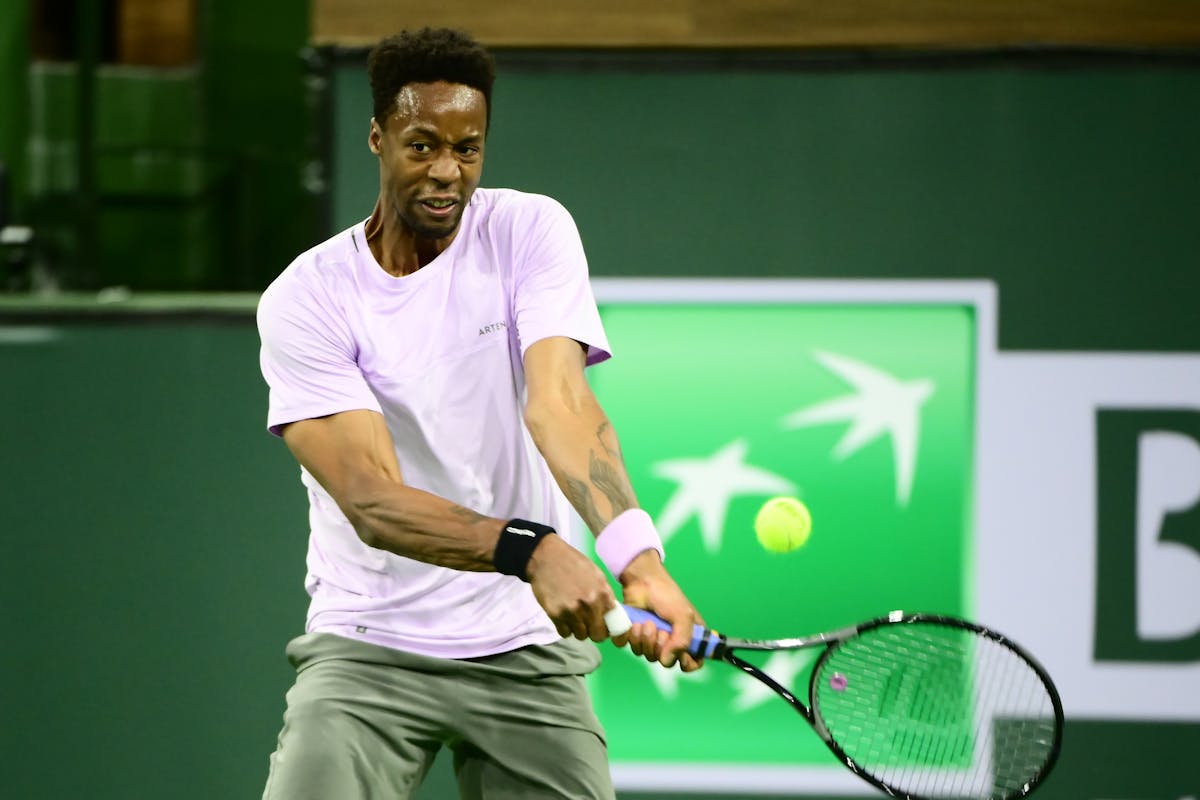
The world of professional tennis is a whirlwind of intense competition, incredible athleticism, and strategic planning. Fans are constantly looking ahead, eager to anticipate the next big match, the rise of a new star, or the twilight chapters of a beloved veteran’s career. Among the most intriguing discussions for many enthusiasts is the future of enduring personalities like Gaël Monfils, specifically the speculative question of a Monfils 2026 wild card. Yet, when one dives into current data and available information, a significant void becomes apparent. This article aims to explore why concrete details regarding a future event so far off are elusive, what constitutes a wild card entry, and what insights we can glean from this current data scope.
The Elusive Nature of Future Sporting Commitments
In the fast-paced, ever-evolving landscape of professional sports, planning for an event two years in advance, particularly concerning a discretionary entry like a wild card, is virtually impossible. The notion of a Monfils 2026 wild card, while fascinating for fans, exists firmly in the realm of speculation rather than confirmed fact. There are several fundamental reasons why current searches for such specific details will likely come up empty:
- Dynamic Player Careers: A professional tennis player's career is subject to numerous variables: form, fitness, injuries, personal life, and evolving priorities. Predicting Gaël Monfils' physical condition, motivation, or even his active playing status in 2026 is pure conjecture. Even the most iron-willed athletes can face unforeseen challenges that alter their trajectory.
- Tournament Planning Cycles: Major tennis tournaments typically announce their main draw and qualifying lists, including wild card recipients, mere weeks or, at most, a couple of months before the event. These decisions are based on the current rankings, recent performances, specific needs of the tournament (e.g., local talent, fan favorites, injury returnees), and the player's direct request or application at that specific time. A 2026 event's wild card committee likely hasn't even been formed, let alone begun deliberations.
- Lack of Official Information: Sporting bodies and tournament organizers operate on a strict timeline for announcements. Premature declarations for events years in the future are rare, as they can lead to confusion, changing circumstances, and unnecessary administrative burdens. Therefore, any search for official confirmation about a Monfils 2026 wild card would, by necessity, be outside the current scope of publicly available data. This is precisely why, as noted in various deep dives, finding specific information for "Monfils 2026 wild card" often leads to a contextual vacuum, as detailed in related discussions like Searching For Monfils 2026 Wild Card Details? Context Empty.
Understanding Wild Cards in Professional Tennis
A "wild card" entry in tennis is a special invitation given by tournament organizers to a player who wouldn't otherwise qualify for the main draw based on their ranking. These are not handed out lightly and serve various strategic purposes for the tournament. Key criteria often include:
- Local Talent: To promote tennis within the host nation, local players who might not have a high enough ranking are often granted wild cards.
- Past Champions/Fan Favorites: Players who have a strong history with the tournament, have been past champions, or are immensely popular with the crowd can receive wild cards, enhancing ticket sales and viewer engagement.
- Injury Comebacks: A player returning from a long-term injury who previously held a high ranking might be given a wild card to help them regain their footing without having to go through arduous qualifying rounds.
- Promising Youngsters: To give exposure to up-and-coming players who show great potential but haven't yet amassed enough ranking points.
Given Gaël Monfils' storied career, his electrifying playing style, and his undeniable popularity, he would certainly fit the criteria for a "fan favorite" or "past champion" (depending on the tournament) should he still be active and requiring a wild card in 2026. However, whether he would *need* one, or if organizers would *offer* one, depends entirely on the context of that specific year.
Gaël Monfils: A Career Worth Celebrating (and Speculating About)
Gaël Monfils, affectionately known as "La Monf," has carved out one of the most exciting and enduring careers in modern tennis. His incredible athleticism, showmanship, and powerful game have made him a crowd favorite worldwide. With multiple ATP titles, Grand Slam semi-final appearances, and a career-high ranking of World No. 6, Monfils has consistently defied expectations regarding longevity in a physically brutal sport.
The very fact that fans are discussing a Monfils 2026 wild card speaks volumes about his lasting appeal and the hope that he will continue to grace the courts for many years to come. However, it's also important to acknowledge the realities of age and professional tennis. By 2026, Monfils would be 39 years old, an age where very few players, outside of extraordinary exceptions like Roger Federer or Serena Williams in their final years, are competing at the highest level without significant reductions in their schedule or a more selective approach to tournaments. The physical toll of the tour is immense, and recovery becomes increasingly challenging with each passing year.
While his passion for the game is undeniable, it's equally plausible that Monfils might have transitioned into a different phase of his life by 2026, perhaps focusing on exhibition matches, coaching, or family. The beauty of his career lies in its present and recent past, leaving the future open to anticipation rather than concrete scheduling. This further highlights why current datasets are unable to provide answers, forming a crucial part of the puzzle that Monfils 2026 Wild Card: What The Current Context Lacks attempts to address.
Navigating Future Speculation: What Fans Can Do
For ardent fans eager for any insight into Monfils' future, particularly regarding a potential Monfils 2026 wild card, understanding the current limitations is key. Instead of fruitless searches for non-existent data, here’s how to navigate future speculation responsibly and keep abreast of potential developments:
- Follow Official Channels: The most reliable information about tournament entries, schedules, and wild cards will always come directly from official tournament websites (e.g., ATP Tour, Grand Slams, specific event sites) and verified social media accounts of the players themselves.
- Monitor Current Performance and Statements: Keep an eye on Monfils' current form, his tournament participation, and any interviews or statements he makes regarding his future plans. These are the strongest indicators of his intentions and physical well-being.
- Understand the Wild Card Timelines: Remember that wild cards are typically announced very close to the event date. Patience is paramount. Speculation is fun, but confirmation requires waiting for official announcements.
- Engage in Fan Communities: Discussing possibilities within respectful fan communities can be a great way to share insights and theories. However, always differentiate between fan discussions and verified news.
- Appreciate the Present: Focus on enjoying Monfils' current matches and contributions to the sport. Each game he plays now adds to his legacy and gives fans more to celebrate.
Ultimately, the absence of data regarding a Monfils 2026 wild card is not a sign of neglect, but rather a natural reflection of how professional sports operate. Major decisions about player participation and special entries are made much closer to the event date, taking into account a myriad of factors that simply cannot be foreseen years in advance. While the desire for such definitive information is understandable, especially for a player as captivating as Gaël Monfils, the reality is that such details currently exist far beyond the current data scope. We must wait, watch, and appreciate the journey as it unfolds, knowing that any confirmation for 2026 is a bridge we will cross much later.